
There are two QR code generators called QR Code Generator, and the one reviewed here is the one with the definite article. qr-code-generator.com is the Bitly property we cover as QRCG by Bitly. the-qrcode-generator.com, styled TQRCG on its own pages, is a different product with a different owner, and the owner is the most useful fact about it: since the summer of 2023 it has belonged to Uniqode, the platform that sits second in our ranking. This review was built the way we build every free-first review, with a real test of the anonymous generator on September 4, 2026, the file it produced decoded, and the pricing page, terms and help center read the same day.
Two names, two owners
The confusion is old enough that TQRCG’s own help center carries an article titled “Are ‘The QR Code Generator’ and ‘QR Code Generator’ the same company?”, answered no. History explains why the names collide: both products were German. Egoditor of Bielefeld built qr-code-generator.com and sold it to Bitly, announced December 1, 2021, with the QRCG by Bitly rebrand following on April 20, 2026. The domain the-qrcode-generator.com was registered in June 2011 and run, according to archived copies of its imprint, by w69b GmbH of Rottenburg, a company with a named managing director and a German VAT number, through at least July 2, 2023. The next archived copy, from August 3, 2023, names Uniqode Phygital Inc. of New York. Neither company’s site announces the change that we could find; the footer’s “Made with love in Germany, India, and the U.S.A” is the trace of the lineage left on the page.
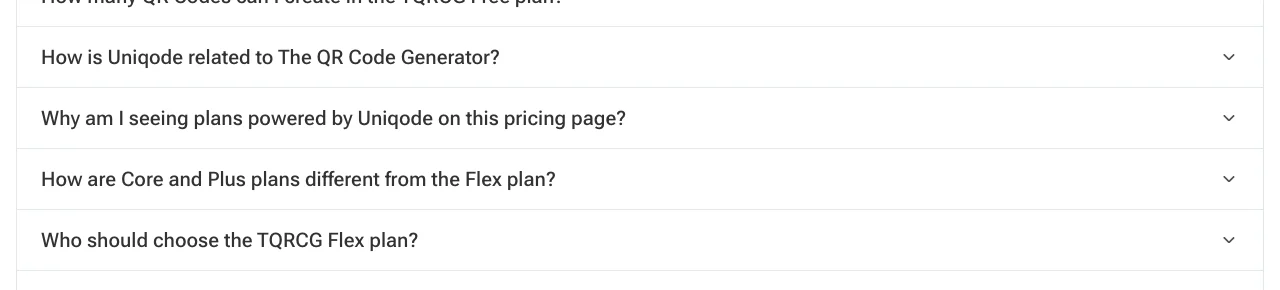
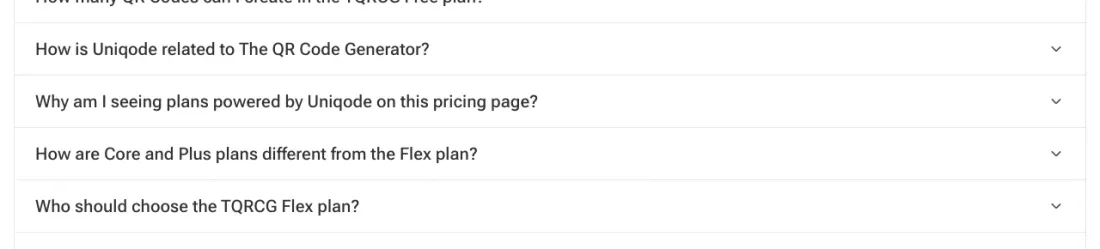
What the current site discloses, it discloses well. The pricing page opens with “The QR Code Generator (TQRCG) is part of Uniqode”, its FAQ states that “Uniqode is the parent company of The QR Code Generator,” and the two larger plans on the page are badged Uniqode with a button reading “Continue to Uniqode”.
Uniqode’s blog describes the two products as sharing “the same redirect infrastructure” with a different buyer profile. That is the frame for everything below: TQRCG is the cheap door into Uniqode’s building, and its free tier is the part of the range that Uniqode does not sell under its own name.
The decode test, passed, with a watermark
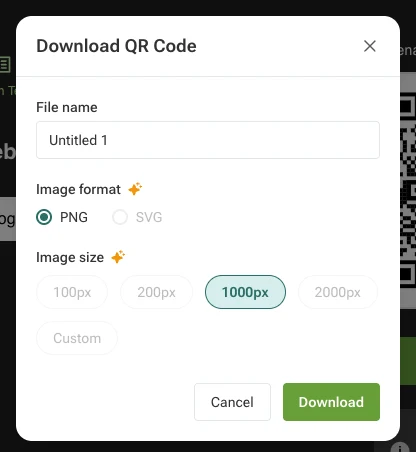
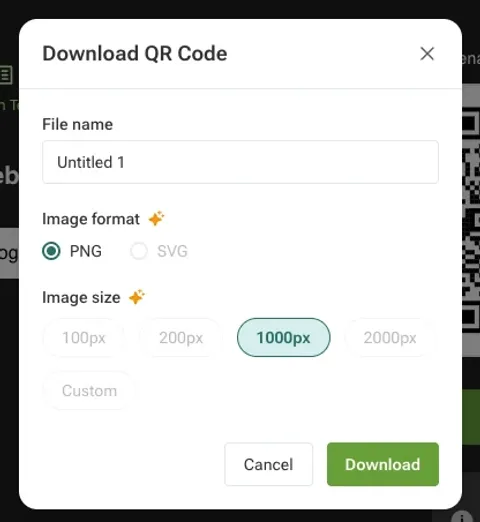
We typed a URL we control into the homepage generator on September 4, 2026, and clicked the download icon. A modal appeared with a file name, an image format and an image size. Of its seven choices, five were greyed out with a premium star beside them: SVG, and every size except 1000px. PNG at 1000px was the free flow, and it produced a 1000 by 1000 pixel file.
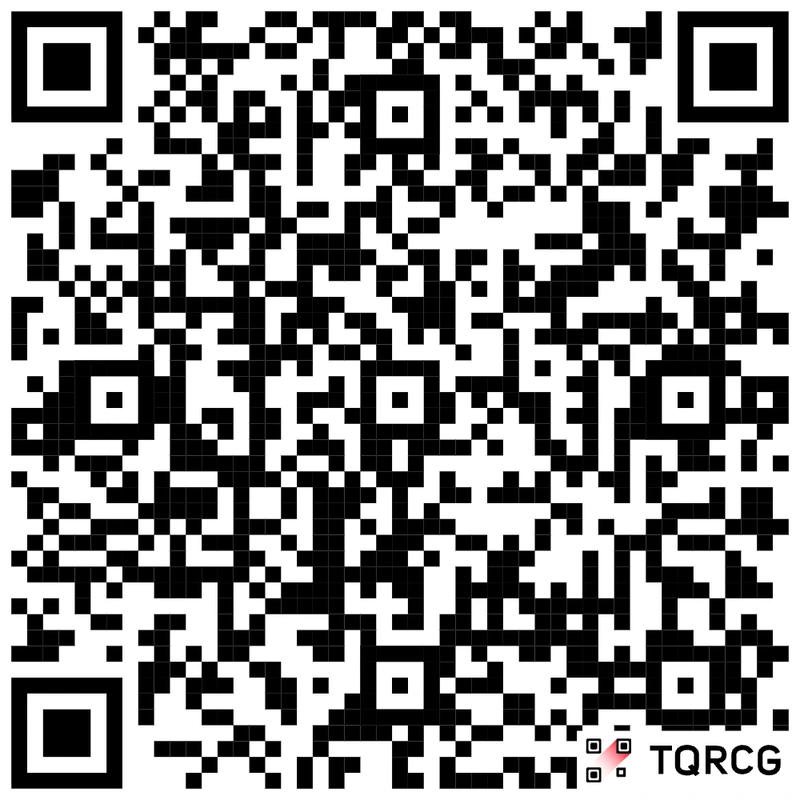
The file decodes to our URL. Not a tqrcg.com short link, not a redirect that a server somewhere can switch off: the destination itself, which is what the terms promise, in plainer language than most vendors manage: “Static QR Codes are free and completely stand-alone, without any reference or dependency on our Service.” We watched a competitor’s anonymous code die on day ten this summer; this one cannot, because nothing at TQRCG is in the loop once the file is on your disk.
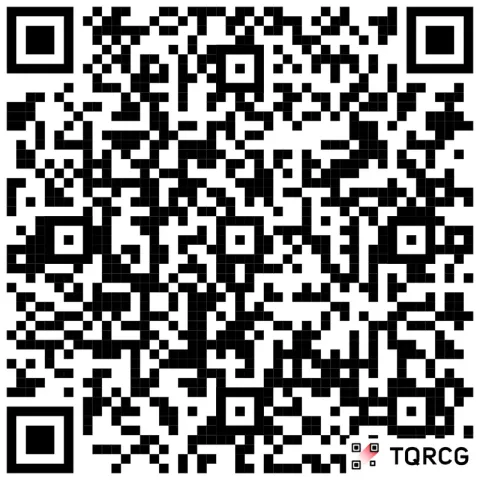
It also carries a watermark. A small TQRCG mark sits in the bottom-right corner of the pattern, inside the file, and the toggle beside the generator labelled “Remove watermark” opens a modal reading “Remove The QR Code Generator watermark by signing up for the Flex plan.” The mark does not stop the code from scanning, and most layouts can crop around it, but it is a paid removal on a code the homepage calls free. The second toggle, “Track your scans”, opens a sign-up modal: tracking means a dynamic code, and dynamic codes need an account.
Then the sequencing. Clicking SVG in the modal brought up a paywall, “This feature is included in paid plans only, starting at $5/month (billed yearly)”, listing all image resolutions and SVG among the paid features. The download itself was followed by an interstitial inviting us to sign up to customize the code with a logo and colors. Colors, style and background are in fact available to anonymous users through the Customize panel; the logo is limited to dynamic codes, which the panel says in a footnote.
Free means two dynamic codes and an ad
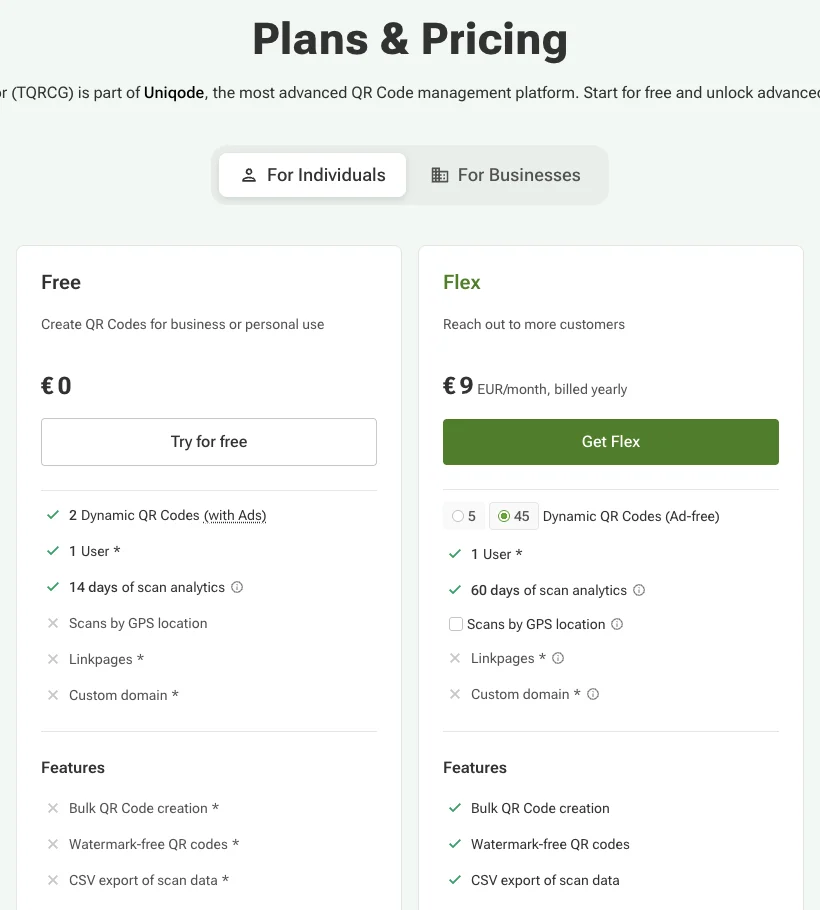
The pricing card puts it on one line: “2 Dynamic QR Codes (with Ads)”. The terms explain the mechanism: “With the free plan, people scanning your Dynamic QR Codes do see our branding for a few seconds before being shown the actual content.” The help center makes it a number, a 3-second advertisement before the redirect, and adds the conditions the homepage leaves out. Once the 14-day trial ends the two codes stay active, but “editing capabilities are restricted on free plans after the trial period ends”; codes beyond a plan’s limit deactivate until you upgrade; and “cancellation permanently deactivates the QR codes associated with your account.”
That is a different offer from the ad-free free tiers at Hovercode, Flowcode and QR Planet, and a smaller version of ME-QR’s, where the person scanning pays for the code with their attention. TQRCG’s version has one advantage over ME-QR’s: the cap and the ad are printed on the pricing card, in the place a buyer reads before printing. It has one disadvantage against the homepage’s own copy, which says “Some tools deactivate codes after a trial ends. Ours won’t” and promises you can “update their content anytime,” two claims the help center qualifies within a few clicks.
We hold no account with TQRCG, so the ad interstitial, the editing lock and the analytics dashboard are reported from their documentation, not measured. A dynamic code of theirs will join our expiry watch when we open one.
The front door promises more than the free flow delivers
The homepage’s three steps end with “Pick PNG, or SVG format, hit download,” and the page’s meta description promises “high-res and vector downloads.” In the free flow, SVG is a greyed-out radio button and the only resolution is 1000px; the help center confirms that “all resolutions and SVG format” belong to the paid tiers. The generator itself says so, with premium stars next to Image format and Image size, so nobody is misled at the moment of download. The gap is between the marketing above the fold and the modal below it, the same shape we documented at larger scale on the other QR Code Generator’s homepage, where “free” is a 14-day trial. Here the free thing is real; its description is inflated.
Pricing: cheap, yearly, and half of it is Uniqode
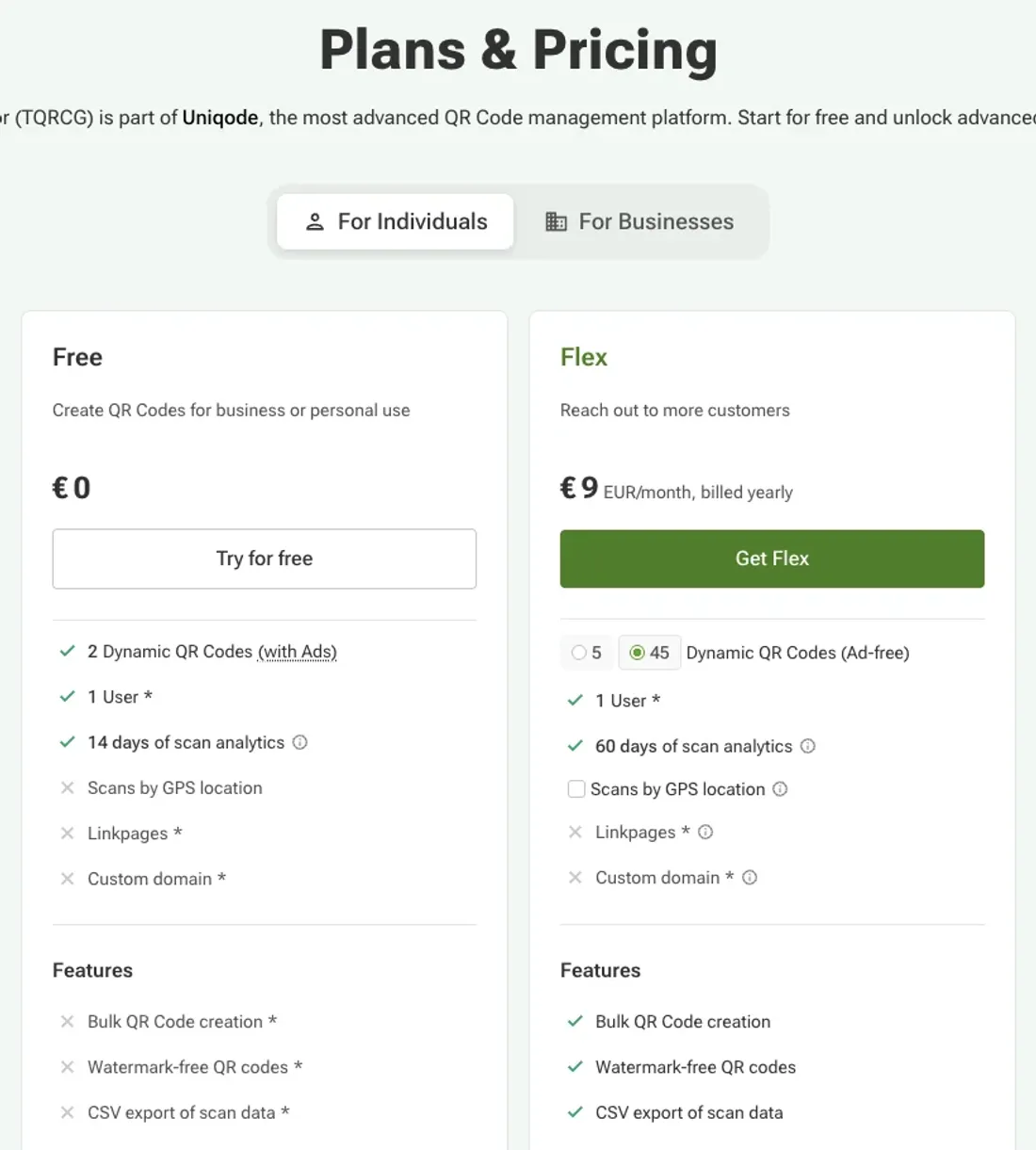
Read on September 4, 2026, in euros, with yearly billing the only option on the page. Flex costs 4.50 a month for 5 dynamic codes, about 54 up front, or 9 a month for 45 codes, and the page opens with the 45-code option selected, so the first price most visitors see is the larger one. Either way Flex removes the ads and the watermark, unlocks every size and SVG, adds bulk creation and CSV export, offers GPS scan location as an add-on, and extends analytics retention from 14 days to 60. Per dynamic code that is among the cheapest entries in our pricing index, and 45 codes for 9 a month is the cheapest volume we track outside enterprise contracts. The homepage’s paywall modal prices the same plan in dollars, “$5/month (billed yearly)”, so US visitors see a slightly different number for the same thing.
The “For Businesses” tab holds Core at 42 and Plus at 85 a month, billed yearly, each badged Uniqode. Buy one and, per the FAQ, “you’ll be redirected to Uniqode’s QR Code management platform”; the codes, the API, the integrations and the Linkpages on those tiers are Uniqode’s, and our Uniqode review covers them. Two items of smaller print: refunds do not exist, per the terms and the pricing FAQ, although a help-center article describes a 5-to-7-day refund timeline for eligible requests; and the analytics lines on the page differed between the copy we rendered in Europe and a copy served the same day to a US crawler, 60 days on Flex here, 90 there. We quote what we rendered.
What we have not verified
Our analytics and design scores are provisional. The dashboard, the ad interstitial, the editing lock and the Flex feature set sit behind an account we have not opened, and our decode test covered the default static flow, not a heavily styled code. The “4M+ users” and the 4.8 Google rating on the homepage are the vendor’s numbers. And the help center lags the product: several articles still describe Essential, Advanced and Professional plans that the current page does not sell, so where the two disagree we have quoted the pricing page.
Verdict
The QR Code Generator debuts ninth of the fourteen dynamic platforms we rank, at 6.6, two tenths behind the QR Code Generator it is confused with and seven places behind the parent it belongs to, which is about where a shared backend with a thinner product should land. The static file is the honest part, your URL and a watermark, and the free dynamic codes are a fair trade if an ad on every scan is acceptable to you and to the people scanning. Pay for the year and the price is hard to beat; stop paying and the help center has already told you what happens. Our free generators guide puts the static flow next to the tools that export vector files for nothing, and the dynamic guide shows where two ad-supported codes sit against the free tiers that carry no ads.